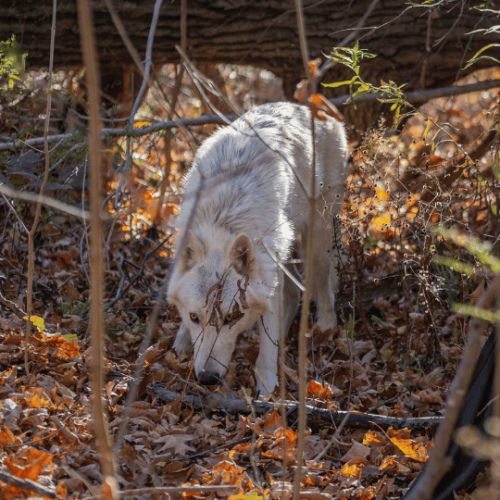
Historically, wildlife and wild landscapes have been defined by fear, misunderstanding, and exploitation. These narratives live in culture, they shape how people see the natural world, how policies are written, and how communities interact with the environment. The complexity of nature is, too often, reduced to harmful tropes and leaves little space for empathy, responsibility, or coexistence.
The stories we share about wildlife and wild places shape how people see nature. Those narratives can spark the cultural change needed to make coexistence possible.
We help participants understand the power of stories to shape how people see, value, and protect wildlife and wild places.
We provide workshops that guide writers in creating stories that reflect empathy, complexity, and ecological understanding.
We publish and share participant work to bring new narratives into the cultural conversation and reshape how people see nature.
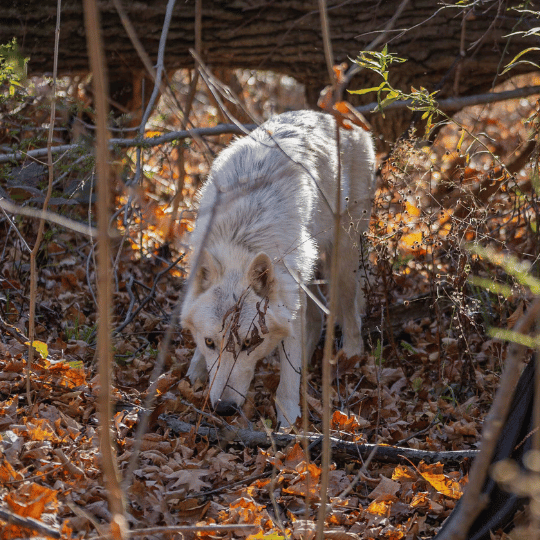
Historically, wildlife and wild landscapes have been defined by fear, misunderstanding, and exploitation. These narratives live in culture, they shape how people see the natural world, how policies are written, and how communities interact with the environment. The complexity of nature is, too often, reduced to harmful tropes and leaves little space for empathy, responsibility, or coexistence.
The stories we share about wildlife and wild places shape how people see nature. Those narratives can spark the cultural change needed to make coexistence possible.
We help participants understand the power of stories to shape how people see, value, and protect wildlife and wild places.
We provide workshops that guide writers in creating stories that reflect empathy, complexity, and ecological understanding.
We publish and share participant work to bring new narratives into the cultural conversation and reshape how people see nature.
Historically, wildlife and wild landscapes have been defined by fear, misunderstanding, and exploitation. These narratives live in culture, they shape how people see the natural world, how policies are written, and how communities interact with the environment. The complexity of nature is, too often, reduced to harmful tropes and leaves little space for empathy, responsibility, or coexistence.
The stories we share about wildlife and wild places shape how people see nature. Those narratives can spark the cultural change needed to make coexistence possible.
We help participants understand the power of stories to shape how people see, value, and protect wildlife and wild places.
We provide workshops that guide writers in creating stories that reflect empathy, complexity, and ecological understanding.
We publish and share participant work to bring new narratives into the cultural conversation and reshape how people see nature.