Predator conflict is still commonly managed through lethal control, a short-term response that harms wildlife and erodes trust between communities and conservation efforts. These approaches may remove an immediate problem but do little to prevent future conflict. At the same time, traditional wildlife monitoring methods are often invasive, adding stress to wildlife and limiting our ability to protect them effectively. Without more humane and reliable strategies, both people and wildlife remain locked in the same cycle of conflict and control.
Why It Matters
New technology and innovation is giving us tools that make it possible to prevent conflict without harm and to study wildlife without adding stress. These advances move conservation beyond outdated cycles and toward lasting coexistence.
Innovation That Works
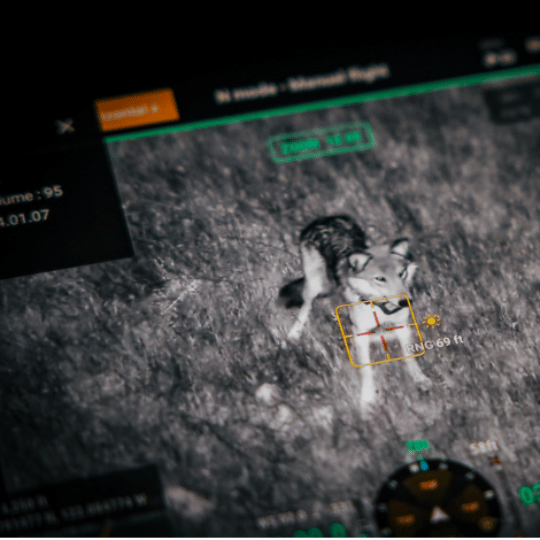
We support the advancement of drone technology as both a nonlethal deterrent for predators and a noninvasive tool for wildlife monitoring.
Research That Delivers
We provide targeted funding for USDA Wildlife Services' field research on drone hazing so the effeciveness is evaluated in real-world conditions.
Stories That Unite
We share inclusive, culturally aware narratives that bridge the divides and build pathways toward long-term coexistence between people, wildlife, and wild spaces.
Support The Research
Your gift helps advance humane solutions by funding field evaluations that test drones as nonlethal deterrents and noninvasive monitoring tools, moving conservation forward and away from outdated practices.
Predator conflict is still commonly managed through lethal control, a short-term response that harms wildlife and erodes trust between communities and conservation efforts. These approaches may remove an immediate problem but do little to prevent future conflict. At the same time, traditional wildlife monitoring methods are often invasive, adding stress to wildlife and limiting our ability to protect them effectively. Without more humane and reliable strategies, both people and wildlife remain locked in the same cycle of conflict and control.
Why It Matters
New technology and innovation is giving us tools that make it possible to prevent conflict without harm and to study wildlife without adding stress. These advances move conservation beyond outdated cycles and toward lasting coexistence.
Innovation That Works
We support the advancement of drone technology as both a nonlethal deterrent for predators and a noninvasive tool for wildlife monitoring.
Research That Delivers
We provide targeted funding for USDA Wildlife Services' field research on drone hazing so the effeciveness is evaluated in real-world conditions.
Stories That Unite
We share inclusive, culturally aware narratives that bridge the divides and build pathways toward long-term coexistence between people, wildlife, and wild spaces.
Support The Research
Your gift helps advance humane solutions by funding field evaluations that test drones as nonlethal deterrents and noninvasive monitoring tools, moving conservation forward and away from outdated practices.
Predator conflict is still commonly managed through lethal control, a short-term response that harms wildlife and erodes trust between communities and conservation efforts. These approaches may remove an immediate problem but do little to prevent future conflict. At the same time, traditional wildlife monitoring methods are often invasive, adding stress to wildlife and limiting our ability to protect them effectively. Without more humane and reliable strategies, both people and wildlife remain locked in the same cycle of conflict and control.
Why It Matters
New technology and innovation is giving us tools that make it possible to prevent conflict without harm and to study wildlife without adding stress. These advances move conservation beyond outdated cycles and toward lasting coexistence.
Innovation That Works
We support the advancement of drone technology as both a nonlethal deterrent for predators and a noninvasive tool for wildlife monitoring.
Research That Delivers
We provide targeted funding for USDA Wildlife Services' field research on drone hazing so the effeciveness is evaluated in real-world conditions.
Stories That Unite
We share inclusive, culturally aware narratives that bridge the divides and build pathways toward long-term coexistence between people, wildlife, and wild spaces.
Support The Research
Your gift helps advance humane solutions by funding field evaluations that test drones as nonlethal deterrents and noninvasive monitoring tools, moving conservation forward and away from outdated practices.